In modern hospital settings, especially within Intensive Care Units (ICUs), medical devices play a vital role in ensuring seamless operations and optimal patient care. One such critical device is the ICU pendant. This sophisticated piece of equipment has revolutionized how medical professionals manage space, equipment, and patient care logistics. This article aims to offer a comprehensive and professional insight into ICU pendants, their functionalities, components, types, maintenance, and emerging market trends.
What is an ICU Pendant?
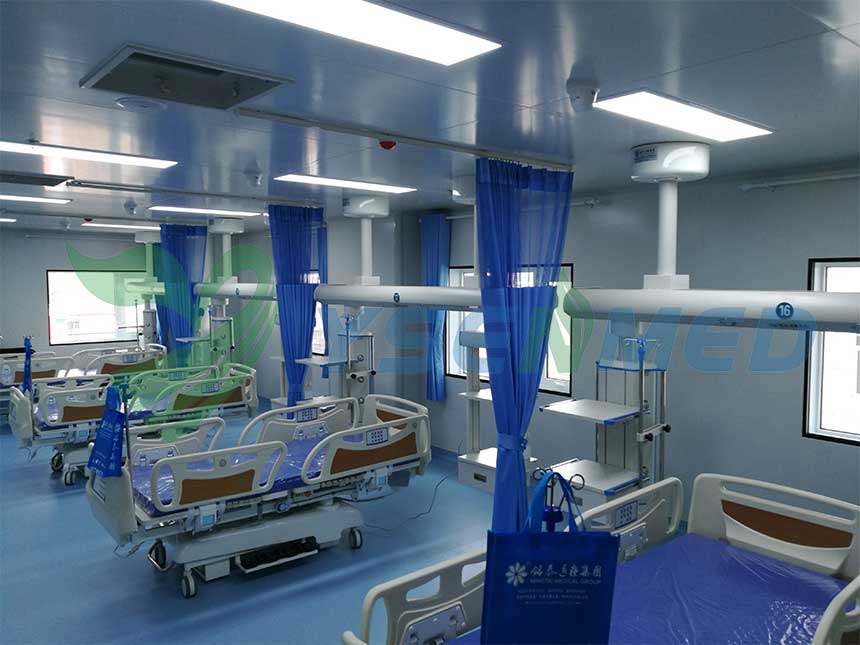
An ICU pendant is a ceiling-mounted device used to manage and organize the necessary medical gases, electrical outlets, and equipment needed to care for patients in the intensive care setting. It serves as a centralized, accessible hub for essential services, thereby improving the workflow, ensuring patient safety, and optimizing the utilization of space around the patient bed.
ICU pendants can carry and support a wide range of medical equipment, from monitors and infusion pumps to ventilators and suction devices. They minimize floor clutter and allow healthcare providers to move freely around the patient, significantly reducing the risk of accidents or delays in emergency interventions.
Primary Functions of ICU Pendants
1. Efficient Space Management
ICU pendants enable the strategic placement of medical devices and utilities, creating an organized and uncluttered environment. This is crucial in intensive care settings where every second counts.
2. Enhanced Safety
By eliminating cables and tubing from the floor, ICU pendants significantly reduce tripping hazards and accidental equipment disconnections.
3. Ease of Access
Medical staff can quickly access oxygen, air, vacuum systems, electrical power, and data services from a single, centralized point.
4. Equipment Support
ICU pendants are designed to carry the load of multiple pieces of critical care equipment, ensuring that all necessary devices are within arm's reach.
5. Improved Hygiene
A cleaner, clutter-free environment is easier to disinfect and maintain, reducing the risk of hospital-acquired infections.
Types of ICU Pendants
ICU pendants come in various configurations to meet the specific needs of different medical settings. The most common types include:
1. Single Arm Pendants
Single arm pendants are ideal for situations where moderate mobility is sufficient. They provide vertical and rotational movement to position the pendant where needed.
2. Double Arm Pendants
Double arm pendants offer greater flexibility and a wider range of motion, allowing for more complex setups and the accommodation of additional equipment.
3. Motorized Pendants
Motorized ICU pendants can be adjusted vertically with the push of a button, providing ergonomic benefits and minimizing physical strain for healthcare workers.
4. Fixed Pendants
Fixed pendants are installed at a static height and position. They are a cost-effective solution when mobility is not a primary concern.
5. Combination Pendants
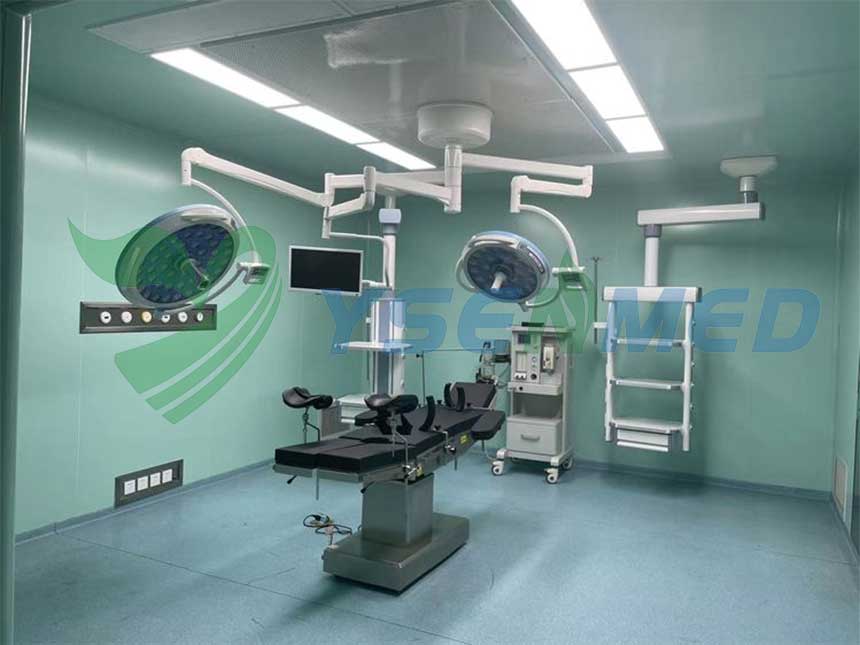
These versatile units combine multiple arms, equipment carriers, and service columns to offer a comprehensive solution for operating rooms and intensive care units.
Key Components of an ICU Pendant
An ICU pendant is a highly engineered system composed of several integral components, each serving a specific purpose.
1. Ceiling Mount and Suspension System
The ceiling mount ensures the safe and secure attachment of the pendant to the structural elements of the building.
2. Rotational Arms
Arms allow for the flexible positioning of the service head, enabling precise placement of utilities and equipment.
3. Service Head
This is the central unit that houses outlets for gases, electrical power, data communication, and sometimes water.
4. Gas and Electrical Outlets
These outlets provide the critical services needed at the patient bedside, including oxygen, compressed air, vacuum, electrical power, and data connections.
5. Shelves and Rails
These components are used to hold monitors, infusion pumps, and other essential equipment.
6. Cable Management Systems
Built-in cable management systems help keep wires organized, preventing tangling and minimizing trip hazards.
Working Principle of ICU Pendants
The primary principle behind ICU pendants is the centralization and accessibility of essential services. Medical gases and electrical connections run from centralized hospital systems through the building’s infrastructure and into the pendant. The pendant’s service head then distributes these utilities to the necessary outlets. Rotation and vertical movement features allow healthcare providers to reposition the pendant to the most convenient location without disrupting patient care.
Key Considerations When Choosing an ICU Pendant
Choosing the right ICU pendant involves several critical factors that must be evaluated to ensure compatibility with the hospital's operational needs and infrastructure.
1. Load Capacity
The pendant must be able to support all required medical devices and equipment.
2. Range of Motion
A sufficient range of motion ensures that the pendant can be easily repositioned as needed.
3. Gas and Electrical Requirements
Hospitals must assess the number and type of gas and electrical outlets needed to support patient care effectively.
4. Ergonomics
Ease of use is critical to minimizing fatigue and ensuring efficient operations.
5. Future Scalability
Systems should allow for upgrades or additions to accommodate future technological advancements.
6. Compliance with Standards
ICU pendants must meet international medical device standards such as ISO 11197, ensuring quality and safety.
Maintenance and Care of ICU Pendants
Regular maintenance is essential to ensure the long-term functionality and safety of ICU pendants.
1. Routine Inspections
Scheduled inspections should be conducted to check for signs of wear, mechanical issues, or loose connections.
2. Cleaning Protocols
Surface cleaning with hospital-grade disinfectants prevents bacterial buildup and maintains hygiene.
3. Mechanical Servicing
Mechanical components such as rotation arms and lifting mechanisms should be lubricated and tested periodically.
4. Gas and Electrical System Checks
Ensuring the integrity of gas supply lines and electrical circuits is crucial for patient safety.
5. Staff Training
Ongoing staff training ensures that the pendant is used correctly and safely, minimizing the risk of accidental damage.
Market Trends and Future Developments
The ICU pendant market is witnessing substantial growth, driven by advancements in healthcare infrastructure and an increasing emphasis on patient safety and operational efficiency.
1. Integration with Digital Systems
Modern ICU pendants are being integrated with hospital information systems to enhance data connectivity and streamline patient monitoring.
2. Ergonomic Innovations
Future pendants will feature more advanced ergonomic designs, including lighter materials, easier movement, and intuitive controls.
3. Modular Designs
Manufacturers are focusing on modular designs that allow hospitals to customize pendant configurations based on specific department needs.
4. Sustainability Initiatives
Eco-friendly manufacturing practices and energy-efficient systems are becoming priorities in pendant production.
5. Telemedicine Integration
As telemedicine grows, ICU pendants may soon support remote monitoring equipment, enabling specialists to consult on patient care from afar.
Conclusion
ICU pendants are indispensable in modern healthcare facilities, providing vital support in the intensive care environment. They optimize space management, improve patient and staff safety, and facilitate efficient delivery of critical services. As technology continues to evolve, the role of ICU pendants will become even more integral to delivering high-quality patient care.
Hospitals seeking to invest in ICU pendants must carefully evaluate their specific needs, ensuring that the chosen system meets clinical requirements, enhances operational workflows, and remains adaptable to future developments.
Frequently Asked Questions (FAQ)
Q1: How long does an ICU pendant last?
With proper maintenance, an ICU pendant can last over 10-15 years.
Q2: Can an ICU pendant be upgraded after installation?
Yes, many modular designs allow for future upgrades.
Q3: Are ICU pendants customizable?
Absolutely. Manufacturers often offer customizable configurations to meet specific hospital needs.
Q4: How much weight can an ICU pendant support?
Depending on the design, ICU pendants can support loads ranging from 30 kg to over 120 kg.
Q5: What certifications should an ICU pendant have?
Compliance with standards such as ISO 11197 and CE marking is critical for quality and safety assurance.