In medical diagnostics, centrifuges are frequently utilized as instruments for separating serum, plasma, precipitated proteins, or for urine sediment tests. The use of a centrifuge allows the rapid sedimentation of suspended particles in a mixture to separate various substances based on their differing densities.
1. Operating Principle
Centrifugation employs the rotational force of centrifugal motion and the differences in settling coefficients or buoyancy densities of substances as a method to separate, concentrate, and purify biological samples. Its principles encompass two main processes: centrifugal filtration and centrifugal sedimentation.
Centrifugal filtration involves the generation of centrifugal pressure in a suspension under a centrifugal field acting on a filter medium. This process allows liquid to pass through the filter medium as filtrate, while solid particles are retained on the filter medium surface, achieving solid-liquid separation.
Centrifugal sedimentation utilizes the principle of rapid stratification of components with differing densities in a suspension (or emulsion) under a centrifugal force field, achieving liquid-solid (or liquid-liquid) separation.
2. Basic Structure
Low-speed centrifuges have a simple structure comprising components such as an electric motor, centrifugal head, speed regulator, timer, centrifuge tube, and base.
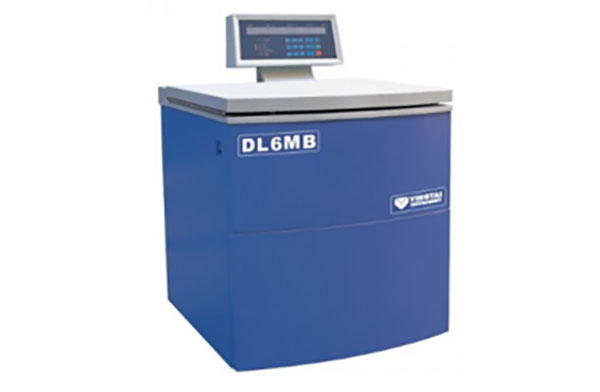
High-speed (refrigerated) and ultra-speed (refrigerated) centrifuges generally consist of a rotating device, speed control system, temperature control system, vacuum system, centrifuge chamber, centrifugal head, and safety protection devices.
3. Classification of Centrifuges
- Structural Classification: Tabletop and floor-standing centrifuges.
- Capacity-based Classification: Microcentrifuges, small-capacity centrifuges, and large-capacity centrifuges.
- Scale-based Classification: Micro-scale, small-scale, and large-scale centrifuges.
- Temperature Control-based Classification: Refrigerated (low-temperature) and room temperature medical centrifuges.
- Speed-based Classification: Low-speed medical centrifuges, high-speed medical centrifuges, and ultra-high-speed medical centrifuges.
- Low-speed medical centrifuges: Generally indicating speeds below 10,000 rpm.
- High-speed medical centrifuges: Typically with speeds ranging from 10,000 to 30,000 rpm.
- Ultra-high-speed medical centrifuges: Generally indicating speeds exceeding 30,000 rpm.
- Rotor Type: Horizontal rotor (bucket) or fixed-angle rotor (angle-head) centrifuges.
- Functional Classification: Blood centrifuges, blood typing card centrifuges, urine sediment centrifuges, capillary centrifuges, cell centrifuges, biopharmaceutical centrifuges, gel bubble processing centrifuges, etc.
Blood centrifuges: Primarily used for routine separation of plasma and serum.
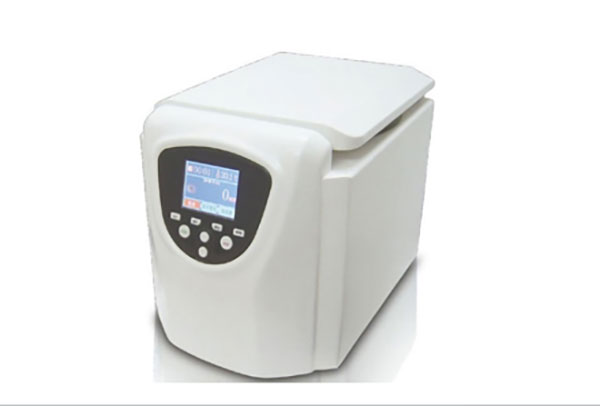 Blood typing card centrifuges: Utilize microcomputer control and automatic balance detection technology for various blood serum studies, blood typing, red cell washing, and gel column immunological tests.
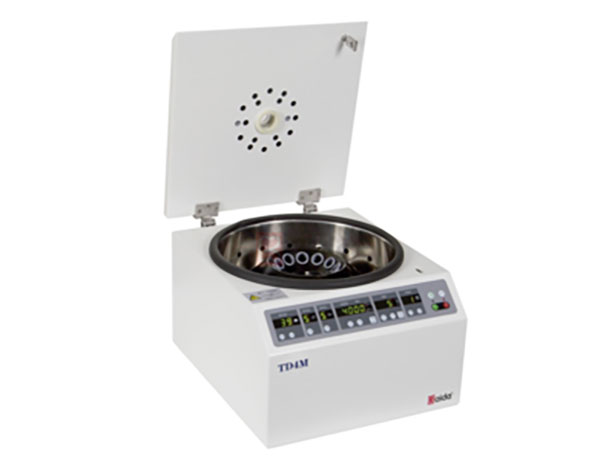 Urine sediment centrifuges: Specifically used for the separation of urine to obtain required sediment for urine examinations.
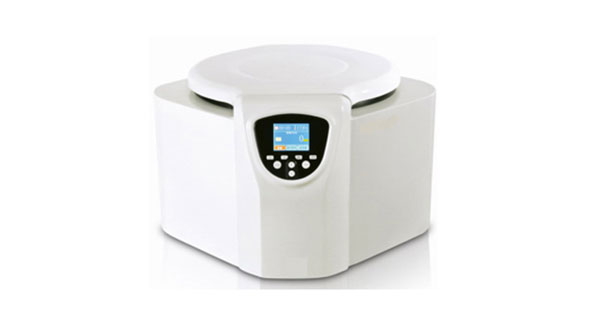 Capillary centrifuges: Primarily used to determine hematocrit values in blood, as well as for separating small quantities of blood and solutions.
 Cell centrifuges: Devices that complete cell concentration and slide preparation in a single step for cell suspensions.
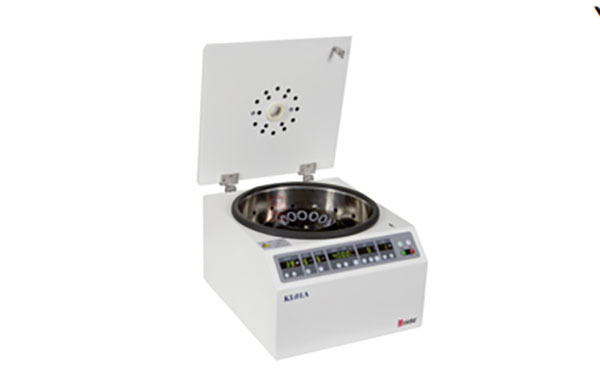 Gel bubble processing centrifuges: Utilize gel filtration or gel filtration technology, a column chromatography
method. The gentle conditions of gel bubble processing centrifuges are suitable for separating unstable compounds. The gel material itself is uncharged and does not interact with the separated substance, achieving nearly 100% solute recovery. It provides excellent separation results with strong reproducibility and shorter separation times.
4. Application of Centrifuges in Biochemistry and Medicine
a. Cell and Subcellular Structure Separation
- Cell Separation: Centrifuges are used to separate different types of cells, aiding scientists in studying cell function and structure.
- Subcellular Structure Analysis: In cytology and biochemistry research, centrifuges assist in separating and purifying cell organelles such as mitochondria, ribosomes, etc.
b. Clinical Diagnosis and Research
- Blood Analysis: Medical centrifuges are used to separate cells and plasma in blood for disease diagnosis and therapeutic monitoring.
- Virology Research: Utilized for separating and concentrating viral samples for virological research and vaccine preparation.
5. Industrial Applications of Centrifuges
a. Pharmaceuticals and Biotechnology
- Drug Development: In the process of drug development, centrifuges are used for separating and purifying drug candidates.
- Protein Preparation: Used for separating and extracting essential biomolecules such as proteins, enzymes, etc.
b. Food and Beverage Industry
- Brewing Industry: In the brewing process, centrifuges are used for separating and processing yeast, clarifying liquor, etc.
- Food Processing: Used for separating and extracting various food components such as oils, juices, etc.
6. Technological Innovations and Development of Centrifuges
In recent years, centrifuge technology has seen continuous innovation. New centrifuges are designed to be more compact and efficient, capable of achieving faster and more precise separations. Additionally, some advanced centrifuges come with automation and data collection capabilities, enhancing operational convenience and the accuracy of experimental results.
Centrifuges, as fundamental yet vital laboratory tools, find wide applications in scientific research, medical diagnostics, and industrial production. Their development and innovation not only drive scientific progress but also have a substantial impact on human life and health in numerous domains.



 Blood typing card centrifuges: Utilize microcomputer control and automatic balance detection technology for various blood serum studies, blood typing, red cell washing, and gel column immunological tests.
 Urine sediment centrifuges: Specifically used for the separation of urine to obtain required sediment for urine examinations.
 Capillary centrifuges: Primarily used to determine hematocrit values in blood, as well as for separating small quantities of blood and solutions.
 Cell centrifuges: Devices that complete cell concentration and slide preparation in a single step for cell suspensions.
 Gel bubble processing centrifuges: Utilize gel filtration or gel filtration technology, a column chromatography