Postpartum hemorrhage (PPH) remains one of the leading causes of maternal mortality worldwide. In many cases, the inability to control blood loss and restore circulation quickly leads to maternal shock and death. To address this critical issue, the Non-Pneumatic Anti-Shock Garment (NASG) has emerged as an essential emergency medical tool. In this article, we will comprehensively explore what NASG is, how it works, its benefits, proper usage, and precautions. Additionally, we will discuss Yueshen Medical’s NASG product, an innovative solution designed to save lives in emergency situations.
1. What is NASG?
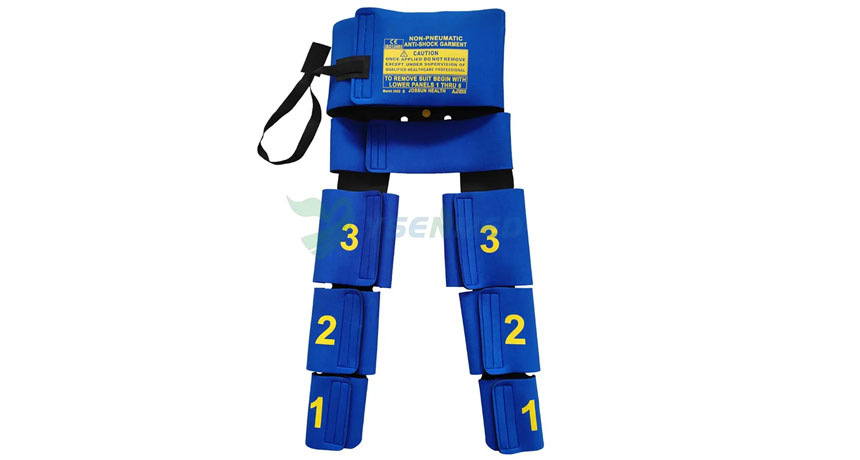
The Non-Pneumatic Anti-Shock Garment (NASG) is a specially designed medical garment intended to control shock and prevent further blood loss in patients suffering from severe hemorrhage, particularly postpartum hemorrhage. NASG provides a life-saving, non-invasive solution by applying targeted pressure to specific areas of the body, such as the abdomen, pelvis, and legs, to promote blood circulation and support the cardiovascular system during acute emergencies.
Unlike pneumatic devices, which require pressurized air to function, NASG operates without the need for air inflation or external machinery. This makes it a simpler, more efficient, and cost-effective solution for critical care in settings where advanced medical equipment may not be available.
2. Understanding Postpartum Hemorrhage (PPH)
Postpartum hemorrhage (PPH) refers to excessive bleeding that occurs after childbirth. It is one of the leading causes of maternal mortality and morbidity worldwide. PPH is typically defined as blood loss exceeding 500 mL following a vaginal delivery or 1,000 mL following a cesarean section. However, the more critical situation arises when the bleeding is rapid and the mother enters into shock, leading to a potentially fatal situation.
PPH can be caused by various factors, including uterine atony (failure of the uterus to contract), trauma during childbirth, retained placental tissue, and clotting disorders. The main challenge is that the bleeding often occurs quickly, and without immediate intervention, the mother’s vital organs may not receive enough blood supply, leading to organ failure and death.
3. How Does NASG Work?
The principle behind NASG is relatively simple yet highly effective. The garment is worn by the patient and covers the lower abdomen, pelvis, and legs. Its primary function is to apply controlled pressure to these areas, which helps in the following ways:
-
Improves Blood Circulation: By applying gentle compression, NASG enhances venous return and helps to redistribute the blood toward the central circulation, thereby improving the heart’s ability to pump blood to vital organs.
-
Reduces Hemorrhage: The pressure applied by NASG assists in constricting blood vessels and limiting blood flow to areas that are excessively bleeding, particularly in cases of uterine atony or vaginal tears.
-
Stabilizes Blood Pressure: As NASG improves blood circulation and reduces blood loss, it helps stabilize the patient’s blood pressure, which is crucial for preventing shock and its life-threatening effects.
The non-pneumatic nature of NASG means that it does not require complex equipment or maintenance, making it an ideal solution in emergency settings or locations with limited access to advanced technology.
4. Key Benefits of NASG
1. Simple and Effective Design
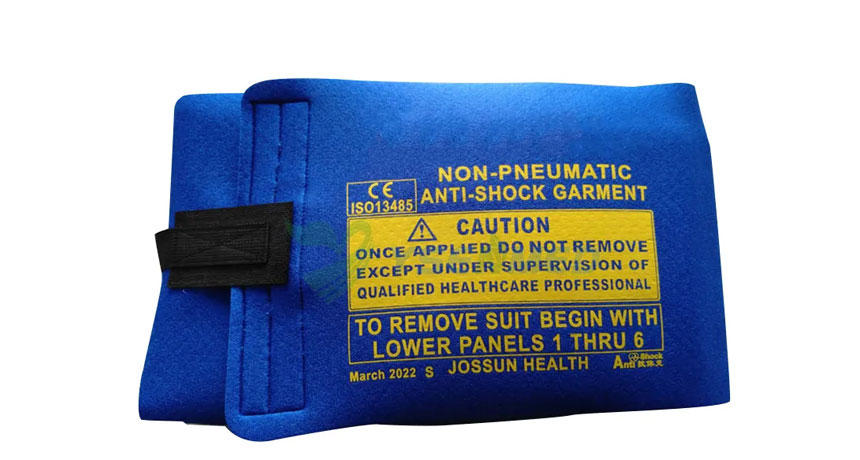
NASG is designed to be simple yet effective, making it easy to use even in emergency situations. Its non-pneumatic structure ensures that it does not rely on compressed air or external machinery, making it both user-friendly and portable.
2. Immediate Use in Emergencies
In critical cases such as postpartum hemorrhage, every second counts. NASG can be applied quickly and without the need for specialized training, making it ideal for first responders or healthcare providers in emergency settings. This rapid deployment can save lives by stabilizing the patient while preparing for further medical treatment.
3. Safe and Non-Invasive
Unlike some other medical devices, NASG is non-invasive, meaning it does not require any surgical procedure or invasive intervention. It can be applied externally and used in conjunction with other life-saving treatments, such as blood transfusions, without causing harm to the patient.
4. Cost-Effective Solution
NASG offers a cost-effective alternative to more complex, high-tech devices, making it accessible to hospitals and clinics with limited budgets, especially in low-resource settings. Its affordability, coupled with its life-saving potential, makes NASG a valuable tool in combating maternal mortality worldwide.
5. Portable and Easy to Store
NASG is lightweight and portable, allowing it to be easily stored and transported to various medical facilities or rural areas where access to advanced medical equipment may be limited. This portability ensures that it is always available when needed the most.
5. How to Use NASG
Using NASG is a straightforward process that can be performed by healthcare professionals or emergency responders in an urgent setting. Here are the basic steps:
-
Preparation: Make sure the patient is lying flat on their back in a safe and controlled environment. Ensure that all necessary medical equipment is within reach.
-
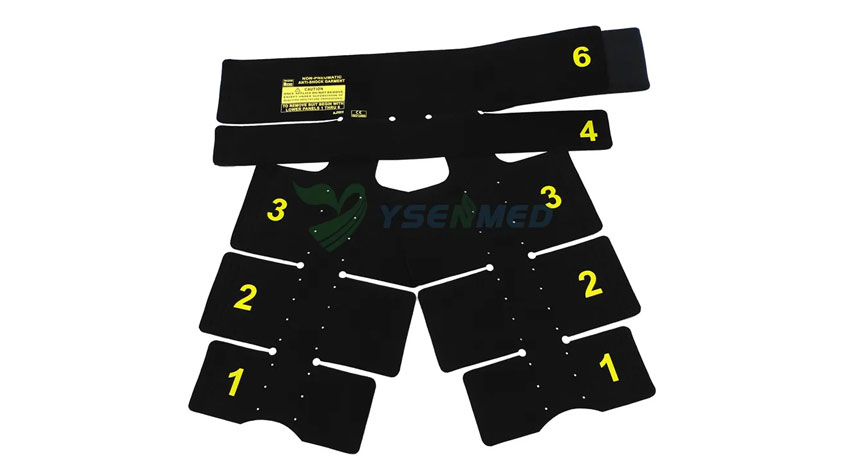
Positioning the Garment: Unfold the NASG garment and position it around the patient’s abdomen, pelvis, and legs. The garment should cover the areas where pressure needs to be applied to improve circulation and reduce hemorrhage.
-
Application of Pressure: Secure the NASG garment around the patient’s body, ensuring that the pressure is uniform and not excessively tight. The garment’s compression should be enough to support circulation but not restrict breathing or cause discomfort.
-
Monitor the Patient: Once the NASG is in place, continuously monitor the patient’s vital signs, including blood pressure, heart rate, and oxygen levels. If necessary, provide additional interventions, such as fluids or medications.
-
Further Treatment: NASG is used as a temporary solution to stabilize the patient until further medical treatment can be administered. Once the patient is stable, more advanced interventions, such as surgical procedures or blood transfusions, can be initiated.
6. Precautions and Considerations
While NASG is a highly effective tool in emergency situations, it is important to be aware of certain precautions:
-
Monitor Vital Signs: Ensure that the patient’s vital signs are monitored continuously. NASG may help stabilize the patient temporarily, but it is essential to follow up with appropriate medical care.
-
Proper Fit: The garment should be applied correctly to avoid discomfort or improper pressure application. Ensure that the garment fits snugly without causing restriction to the patient’s breathing.
-
Not a Replacement for Surgery: NASG is an emergency intervention designed to stabilize the patient until more advanced treatment can be provided. It is not a substitute for surgical intervention when necessary.
7. Yueshen Medical’s Non-Pneumatic Anti-Shock Garment (NASG)
Yueshen Medical, with its extensive experience in manufacturing high-quality medical equipment, offers a reliable Non-Pneumatic Anti-Shock Garment (NASG) designed to provide effective support during postpartum hemorrhage and other emergency situations. Our NASG is developed using durable materials and is rigorously tested for safety and effectiveness.
Key features of our NASG include:
- Comfortable and Secure Fit: Designed for ease of use with adjustable straps to ensure a comfortable and secure fit for patients of all sizes.
- High-Quality Construction: Made with high-strength, breathable materials for patient comfort and durability.
- Easy to Apply: Can be applied quickly by healthcare providers with minimal training.
For more information or to purchase the Yueshen Medical NASG, visit Non-Pneumatic Anti-Shock Garment (NASG) YSMG-NASG.
Conclusion
The Non-Pneumatic Anti-Shock Garment (NASG) is a life-saving device that plays a crucial role in the management of postpartum hemorrhage and other emergency medical situations. Its simple design, ease of use, and effectiveness make it an essential tool in saving lives. Whether you are a healthcare provider in a well-equipped hospital or in a rural clinic with limited resources, NASG offers a critical solution to manage shock and prevent maternal mortality.
If you are looking for a reliable and cost-effective NASG for your medical facility, consider Yueshen Medical’s high-quality NASG, designed to meet your emergency care needs.
SEO Considerations:
- Use target keywords like “Non-Pneumatic Anti-Shock Garment,” “NASG for postpartum hemorrhage,” and “Life-saving NASG for emergency care.”
- Include long-tail keywords throughout the article like “How NASG helps in maternal emergency care” or “Benefits of non-pneumatic anti-shock garment in postpartum care.”
- Optimize the meta title and description to include primary keywords and make it clickable for search engine results.
This comprehensive article ensures a clear understanding of NASG while promoting your product effectively. Let me know if you’d like to adjust or add any other specific details!