Equipment List and Considerations for Starting a Medical Waste Incineration Plant
1. Introduction
As medical institutions expand, the treatment of medical waste has become increasingly critical. Incineration, as a widely used method for treating hazardous medical waste, ensures effective sterilization and volume reduction. For those planning to start a medical waste incineration plant, a thorough understanding of the required equipment and considerations is essential for long-term operational success and regulatory compliance.
|
Equipment Category
|
Description
|
|
--------------------------
|
-----------------------------------------------------------------------------
|
|
Waste Receiving System
|
Includes transport trolleys, automatic feed devices, waste weighing platforms
|
|
Incineration Furnace
|
Main combustion chamber, secondary combustion chamber, high-temp resistant lining
|
|
Fuel Supply System
|
Diesel, natural gas, or liquefied gas burners, fuel tanks, piping
|
|
Combustion Air System
|
Induced draft fan, blower, combustion air control system
|
|
Flue Gas Treatment System
|
Cyclone dust collector, spray tower, activated carbon adsorption, HEPA filter
|
|
Ash Handling Equipment
|
Bottom ash conveyor, ash bins, high-temp-resistant materials
|
|
Automatic Control System
|
PLC/SCADA with remote control and data reporting capabilities
|
|
Emergency Protection
|
Over-temperature protection, negative pressure safety valve, fire extinguishing system
|
|
Monitoring and Reporting
|
Online emission monitoring (SOx, NOx, dioxins, dust), real-time data upload
|
3. Supporting Facilities
1. Storage Room for Hazardous Waste
2. Wastewater Collection and Treatment Unit
3. Emission Monitoring and Alarm System
4. Generator and Uninterrupted Power Supply System
5. Firefighting System
6. Water Tank and Water Treatment System
7. Employee Office and Disinfection Area
4. Key Considerations Before Construction
### Site Selection
- Stay away from residential areas and schools
- Downwind of prevailing wind
- Equipped with emergency access
### Legal and Environmental Compliance
- Must pass Environmental Impact Assessment (EIA)
- Apply for Hazardous Waste Business License
- Conform to national and local emission standards
### Budget and Cost Estimation
- Initial investment: equipment + civil engineering + installation + environmental testing
- Operating cost: fuel + labor + maintenance + consumables
### Human Resources
- Trained operators
- Environmental safety managers
- Equipment maintenance technicians
5. Environmental Standards and Emission Control
|
Pollutant
|
Limit Value (China GB 18484-2001)
|
|
------------------
|
-------------------------------
|
|
Dioxins
|
≤ 0.1 ng TEQ/Nm³
|
|
Particulate Matter
|
≤ 30 mg/Nm³
|
|
SO₂
|
≤ 300 mg/Nm³
|
|
NOx
|
≤ 400 mg/Nm³
|
|
HCl
|
≤ 60 mg/Nm³
|
6. Process Flow of a Typical Incineration Plant
1. Waste Receiving →
2. Shredding & Weighing →
3. Feeding into Furnace →
4. Primary & Secondary Combustion →
5. Flue Gas Treatment →
6. Emission Monitoring →
7. Ash Collection
7. Maintenance and Operation Tips
- Conduct regular inspections on burner heads and fans
- Replace activated carbon and filters regularly
- Keep the furnace negative pressure to avoid odor leakage
- Conduct emission testing quarterly
8. Safety Management Guidelines
- Establish standard operation procedure (SOP)
- Equip workers with PPE: masks, gloves, chemical-proof suits
- Ensure emergency exits and fire drills
- Place eye-wash stations, first-aid kits, and fire extinguishers
9. Development Trends and Technological Innovations
- Plasma incineration: ultra-high temperature, almost zero emissions
- Fluidized bed combustion: efficient for high-moisture waste
- Digital SCADA systems: real-time monitoring, remote control
- Modular compact plants: small footprint, easy installation
10. Approval Process in China
|
Stage
|
Content
|
|
----------------
|
-----------------------------------------------------------
|
|
Project Approval
|
Submit feasibility study to development & environment dept
|
|
Environmental Assessment
|
Submit EIA by qualified third-party company
|
|
Land Use Approval
|
Confirm land use zoning and legal acquisition
|
|
Construction Permit
|
Apply for building and safety permits
|
|
Equipment Installation
|
Purchase, install, and test certified equipment
|
|
Final Inspection
|
Accept by environmental and health departments
|
11. Equipment Recommendations by Plant Scale
|
Daily Capacity
|
Recommended Furnace
|
Scenario
|
Investment Estimate (CNY)
|
|
----------------
|
---------------------
|
----------------------
|
---------------------------
|
|
≤1 ton
|
Small fixed bed
|
Township hospital
|
300,000–500,000
|
|
1–5 tons
|
Rotary kiln
|
County-level center
|
800,000–1.5 million
|
|
5–10 tons
|
Dual kiln + energy recovery
|
City-level plant
|
1.5–2.5 million
|
|
≥10 tons
|
Custom system
|
Regional treatment hub
|
2.5–5 million+
|
12. International Standards Comparison
|
Country/Region
|
Regulation Summary
|
|
----------------
|
<span style="font-family: Cambria; mso-fareast-font-family: 'MS 明朝'; mso-bidi-font-family: 'Times New Roman'; f
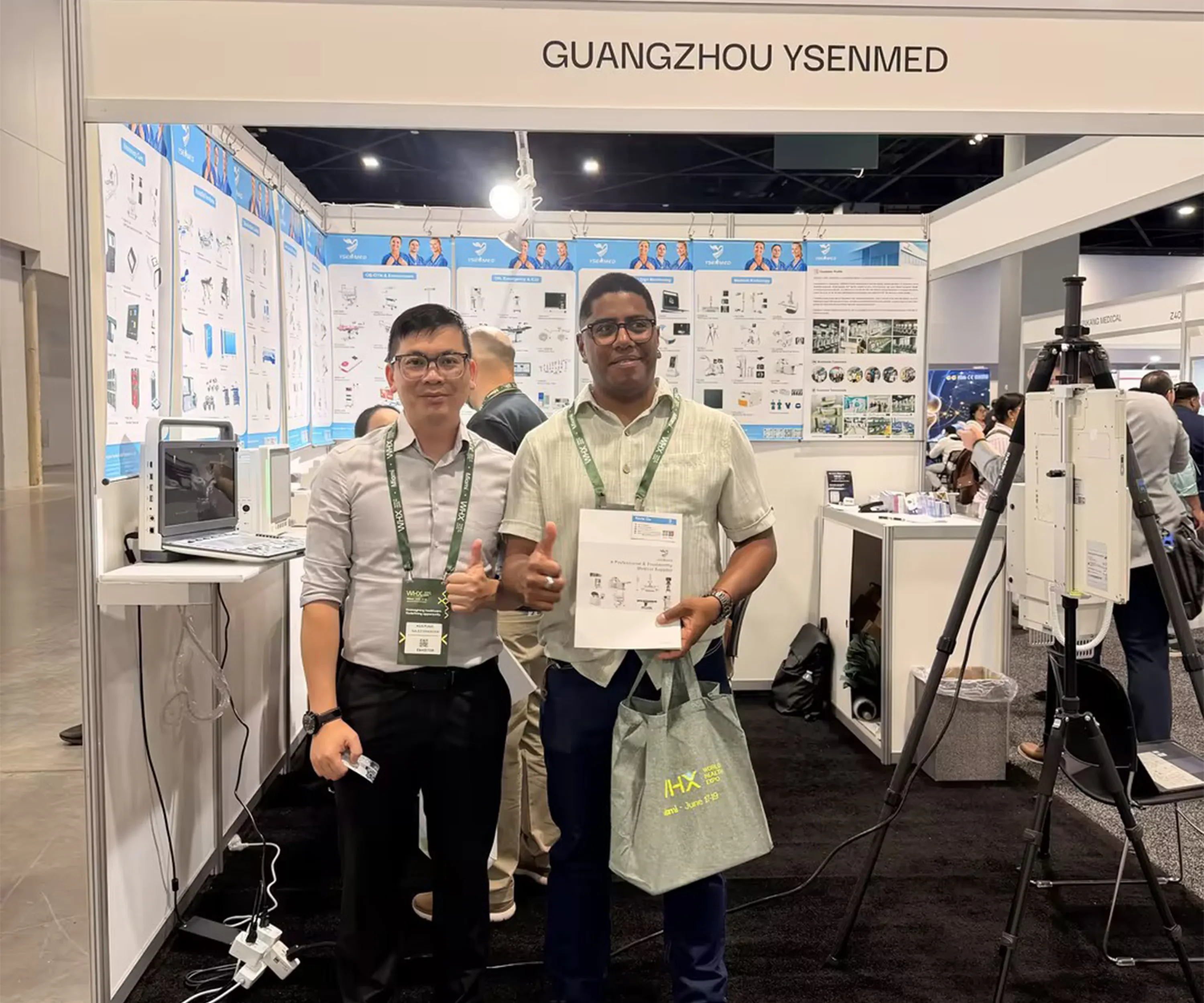 Day 1 at WHX Miami 2026
Jun .18.2026
The first day of WHX Miami 2026 marked an exciting start for the YSENMED team. We were delighted to welcome visitors from around the world to our booth.
 PhilMedical Expo 2026
Jun .02.2026
YSENMED is attending the PhilMedical Expo 2026, which will be held from 19~21 August at the SMX Convention Center, Manila, Philippines
 WHX Miami 2026
Jun .02.2026
YSENMED is attending the WHX Miami 2026, which will be held from 17~19 June at the Miami Beach Convention Center, Florida, United States
|