Portable X-ray machines have revolutionized the way medical professionals conduct diagnostic imaging, offering flexibility and convenience by enabling high-quality imaging anywhere. These machines are especially useful in emergency situations, rural areas, or settings where traditional X-ray equipment is unavailable. In this article, we’ll cover everything you need to know about portable X-ray machines: their prices, how to choose the right one, factors affecting the price, their evolution, usage and operation, maintenance, and common troubleshooting methods.
1. Portable X-Ray Machine Pricing
The price of a portable X-ray machine can vary considerably depending on several factors such as the type of technology, brand, machine capacity, and additional features. Generally, portable X-ray machines are categorized into several price ranges:
1.1. Budget-Friendly Machines: $5,000 - $15,000
Affordable portable X-ray machines are typically designed for use in smaller clinics or less demanding environments. They provide basic functionality and adequate performance for standard applications such as evaluating fractures or simple injuries.
1.2. Mid-Range Machines: $15,000 - $30,000
These machines usually offer better image quality and additional features like higher resolution, more advanced detection systems, larger LCD screens, and better remote control capabilities.
1.3. High-End Machines: $30,000 and above
High-end portable X-ray machines are more expensive due to their advanced technology, superior image resolution, longer battery life, enhanced portability, and improved safety features. These are ideal for hospitals, emergency care clinics, and mobile diagnostic units.
For example, in our Portable X-ray Machine Collection, we offer models ranging from $10,000 to $25,000, depending on the model and its features. These devices allow healthcare professionals to capture high-quality images in emergency situations while meeting strict radiology regulations.
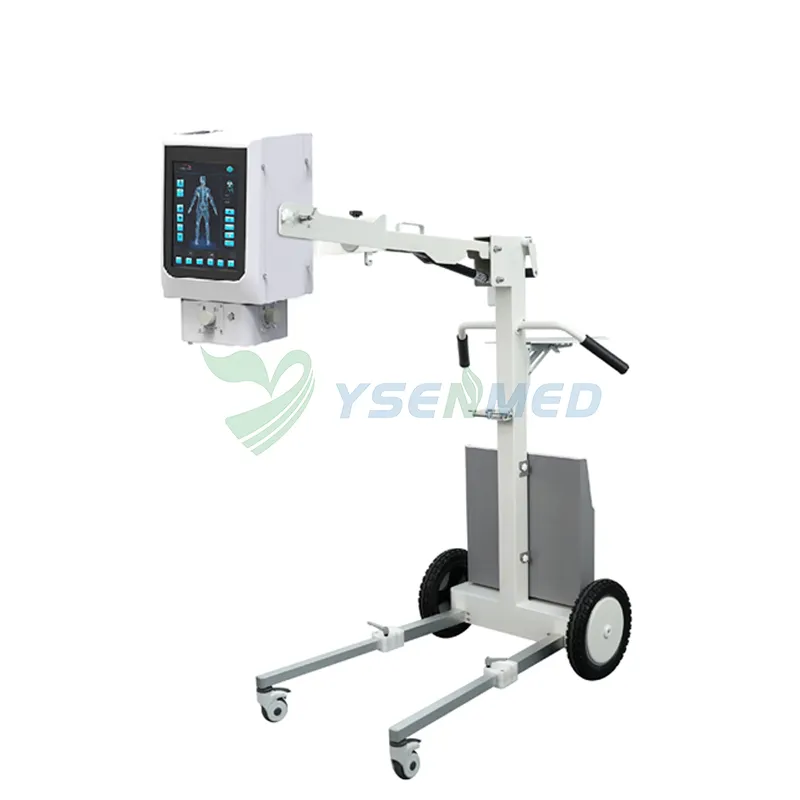
2. How to Choose a Portable X-Ray Machine
Selecting the right portable X-ray machine is crucial for ensuring accurate diagnostics and efficient operation in various conditions. Here are the key aspects to consider when choosing a portable X-ray machine:
2.1. Image Resolution
The image resolution is one of the most important factors when choosing a portable X-ray machine. The higher the resolution, the better the image quality, making it easier to identify fractures, tumors, and other conditions. High-end machines typically offer resolutions of 2-5 megapixels, while lower-end models have lower resolutions.
2.2. Battery Life
Battery life is critical for portable X-ray machines. Advanced models can last 4 to 6 hours on a single charge, while cheaper models may last less. If you plan to use the machine in remote areas or emergency situations, it’s advisable to opt for a model with extended battery life.
2.3. Weight and Portability
The weight of the machine is important, especially if it will be used in multiple locations. Portable X-ray machines need to be lightweight and easy to transport. Many modern models are designed with ergonomics in mind for ease of use and portability.
2.4. Detection Technology
Portable X-ray machines use different detection technologies, such as Digital Radiography (DR) detectors and Computed Radiography (CR) detectors. DR detectors tend to be more expensive but offer superior image quality, while CR detectors are more affordable but may not produce the same image clarity.
2.5. Regulatory Standards and Certifications
It’s essential that the portable X-ray machine complies with local and international safety and radiation standards. Ensure that the device is certified by organizations like the FDA in the U.S. or CE in Europe.
2.6. Operational Costs
Operational costs include energy consumption, maintenance, and replacement parts. Energy-efficient machines are not only more cost-effective in the long run but also better for the environment.
3. Factors Affecting Portable X-Ray Machine Pricing
The price of a portable X-ray machine depends on several factors, including:
3.1. Technology of the Machine
As mentioned earlier, machines with digital radiography (DR) tend to be more expensive than those with computed radiography (CR) detectors due to the superior image quality and accuracy. Higher-end models also include additional features such as Wi-Fi connectivity, image processing software, and remote storage capabilities.
3.2. Brand and Manufacturer
Well-known and trusted brands in the market tend to have higher prices due to their reputation and the quality assurance they provide. However, lesser-known brands can also offer good products at more affordable prices.
3.3. Additional Features
Additional features such as touchscreen displays, user-friendly interfaces, enhanced imaging systems, and longer battery life can significantly increase the price of the machine.
3.4. Production Volume
The production volume can also affect the price. Models produced in large quantities tend to be cheaper due to economies of scale, while more exclusive or low-volume models tend to be more expensive.
3.5. Warranty and After-Sales Support
A longer warranty and after-sales support can increase the price of the machine. However, it’s advisable to consider the additional cost as an investment to ensure the machine's durability and reliability.
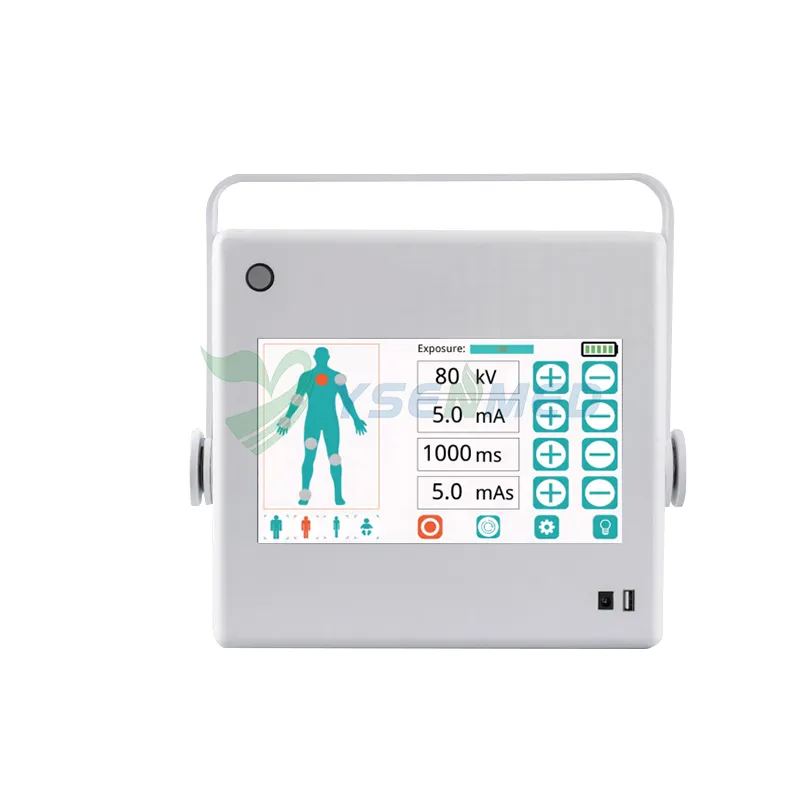
4. Evolution of Portable X-Ray Machines
Portable X-ray machines have undergone significant advancements over the past few decades. In the early versions, these machines were bulky, difficult to transport, and limited in terms of image resolution. However, advancements in detection technology and the miniaturization of components have allowed machines to become much lighter and more compact without compromising image quality.
4.1. From Analog to Digital
Early portable X-ray machines were analog, using film to capture images. Over time, digital technology replaced film, allowing for better image quality, faster processing, and eliminating the costs associated with film development.
4.2. Adoption of DR Technology
The development of digital radiography (DR) detectors marked a significant advancement in the quality of images produced by portable X-ray machines. DR technology offers clearer and sharper images compared to older CR detectors.
4.3. Connectivity and Remote Storage
Modern machines are equipped with the ability to store images remotely on the cloud and allow connectivity with other devices for faster consultation. This has improved diagnostic efficiency, as radiologists can access images from any location.
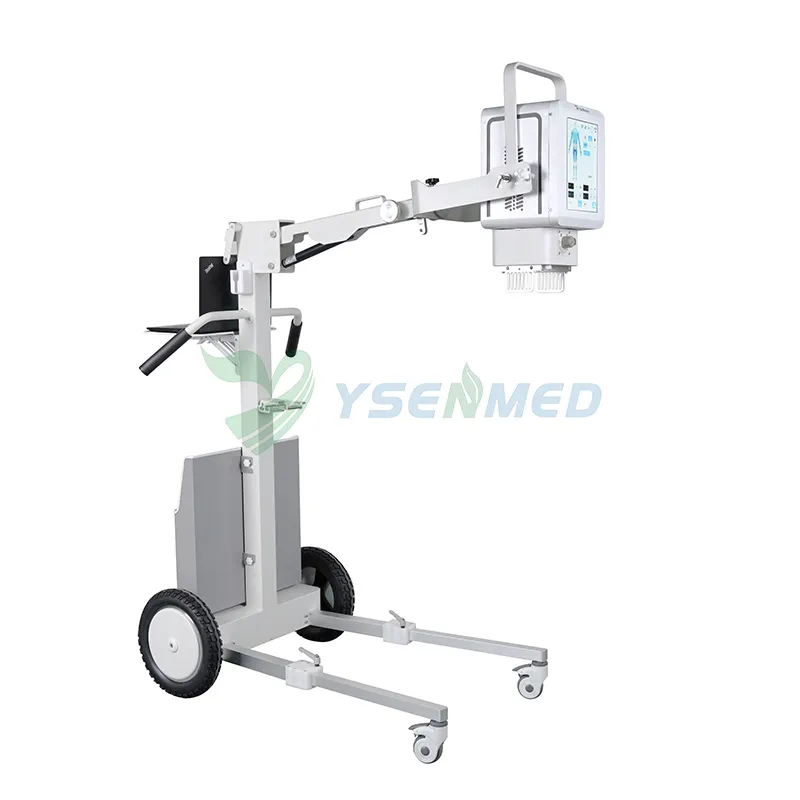
5. Usage and Operation of Portable X-Ray Machines
Proper usage of a portable X-ray machine is essential to ensure high-quality results and safety for both the operator and the patient. Here are some key tips for using a portable X-ray machine:
5.1. Preparation Before Use
Before using the machine, ensure the battery is fully charged, or there is a reliable power source available. Additionally, check that the detector and cables are properly connected.
5.2. Positioning the Patient
Make sure the patient is positioned correctly to obtain the most accurate image possible. This includes ensuring that the part of the body being examined is properly aligned with the machine.
5.3. Machine Settings
Adjust the exposure settings according to the area being examined and the size of the patient. Most modern portable X-ray machines have automatic settings, but it’s important to check the configurations.
5.4. Safety During Use
Always use appropriate radiation protection, such as lead aprons, safety glasses, and gloves, to minimize radiation exposure.
6. Maintenance of Portable X-Ray Machines
Proper maintenance of portable X-ray machines is crucial for ensuring their longevity and efficiency. Here are some maintenance tips for keeping your equipment in good condition:
6.1. Daily Maintenance
Clean the machine after each use to remove any dust or residue. Ensure the cables and connections are intact.
6.2. Periodic Inspections
Conduct periodic inspections of the power system and batteries. Ensure that the detectors and imaging systems are functioning properly.
6.3. Software Updates
If your machine has software for processing images, ensure that it is updated regularly to optimize image quality and operational efficiency.
6.4. Repairs
If any technical issues arise, contact authorized service personnel for repairs. Avoid attempting DIY repairs, as this could void the warranty.
7. Common Problems and Solutions
Here are some common issues that may arise with portable X-ray machines and their possible solutions:
7.1. Problem: Poor Image Quality
Solution: Ensure the detector is clean, and check that the machine is set up correctly for the type of exam. If the issue persists, check the system’s calibration.
7.2. Problem: Short Battery Life
Solution: Ensure the battery is properly charged and that the power system is functioning correctly. If the battery is damaged, replace it.
7.3. Problem: Touchscreen Failures
Solution: Restart the system and check if the issue persists. If not resolved, contact technical support.
8. Frequently Asked Questions (FAQ)
8.1. What is the lifespan of a portable X-ray machine?
The lifespan of a portable X-ray machine can range from 5 to 10 years, depending on the model, usage, and maintenance. Regular maintenance and care can extend the lifespan of the equipment.
8.2. How often should I calibrate my portable X-ray machine?
Calibration should be done regularly, depending on the manufacturer’s recommendations. It is often done annually or after a specific number of uses.
8.3. Can portable X-ray machines be used in emergency situations?
Yes, portable X-ray machines are ideal for emergency situations due to their mobility and the ability to capture high-quality images on-site.
This detailed guide should provide you with the necessary information to understand the pricing, selection, operation, and maintenance of portable X-ray machines. If you're interested in purchasing or learning more about our portable X-ray machines, feel free to explore our collection or contact us directly.